
Look, in the world of real preparedness—where hurricanes slam Florida like clockwork, grid-down scenarios turn your neighborhood into a no-man’s-land, and every second counts for protecting what’s yours—your home security system is worthless if it goes dark after a couple hours. That fancy Ring Alarm base station? Yeah, it’s got an internal battery, but we all know from real-world use (and those late-night power flicker tests) it lasts maybe 4-8 hours tops before your sensors go silent, cameras offline, and alerts stop pinging your phone. That’s not a “security system.” That’s an expensive paperweight when SHTF.
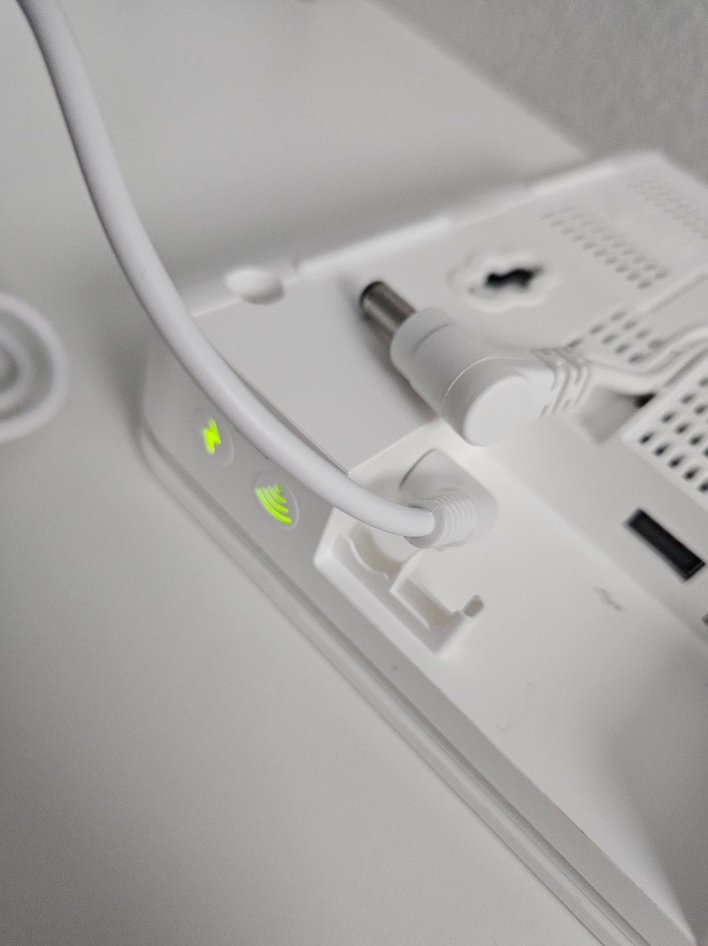
But here’s the cool gadget fix that turns your Ring setup into a true grid-down beast: a simple USB-to-DC power cable paired with a rugged portable power bank. Swap in one of these, and you’re running full sensors, motion detection, and alarms indefinitely with zero generator noise or fuel headaches. Double up on banks and add solar charging, and you’ve got 24/7/365 perimeter defense—even in a multi-day outage. This is man-stuff preparedness: cheap, reliable, and gives you that quiet tactical edge when everyone else is fumbling in the dark.
The Problem Most Preppers Overlook
Ring Alarm base stations (standard or Pro models) are designed for everyday plug-in life. Official specs say the built-in rechargeable battery gives up to 24 hours of backup, but real talk from users in storms and blackouts? It’s often way less—especially if you’ve got a full kit of door/window sensors, motion detectors, and Wi-Fi pulling power. The base station draws power through a standard 5V DC input (up to 2.5A or about 12.5W max on the stock adapter). Once the lights go out, you’re on borrowed time. No power = no alerts to your phone, no live monitoring, and your whole layered home defense plan crumbles. In a bug-in scenario (hurricane winds howling outside, or worse), that’s the difference between knowing who’s creeping your property and getting surprised.
The Gear: Simple, Tough, and Ready to Roll
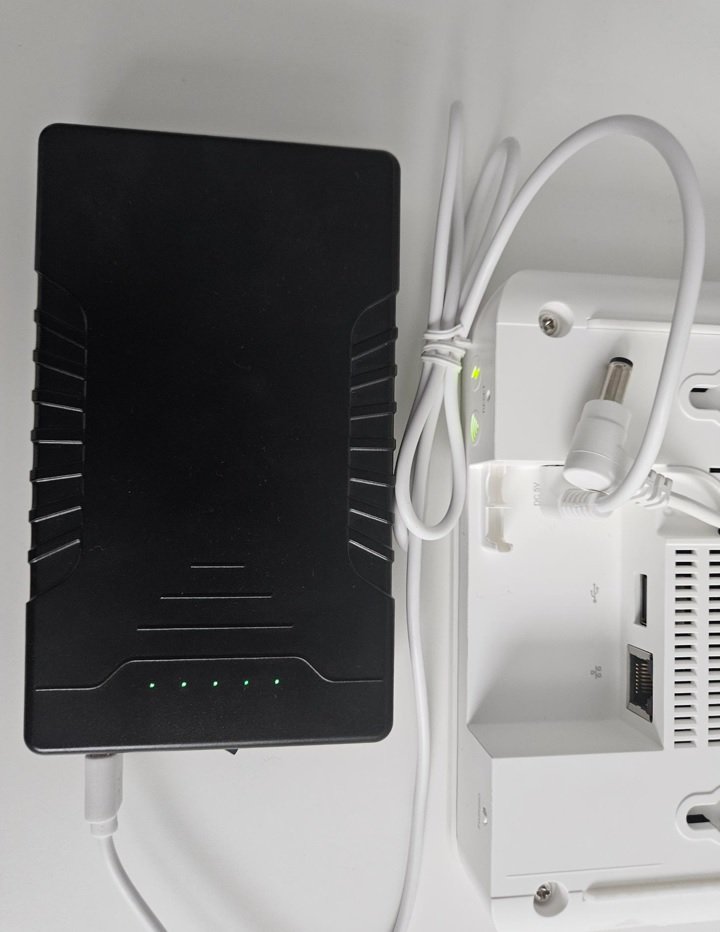
Here’s the exact setup that keeps everything humming:
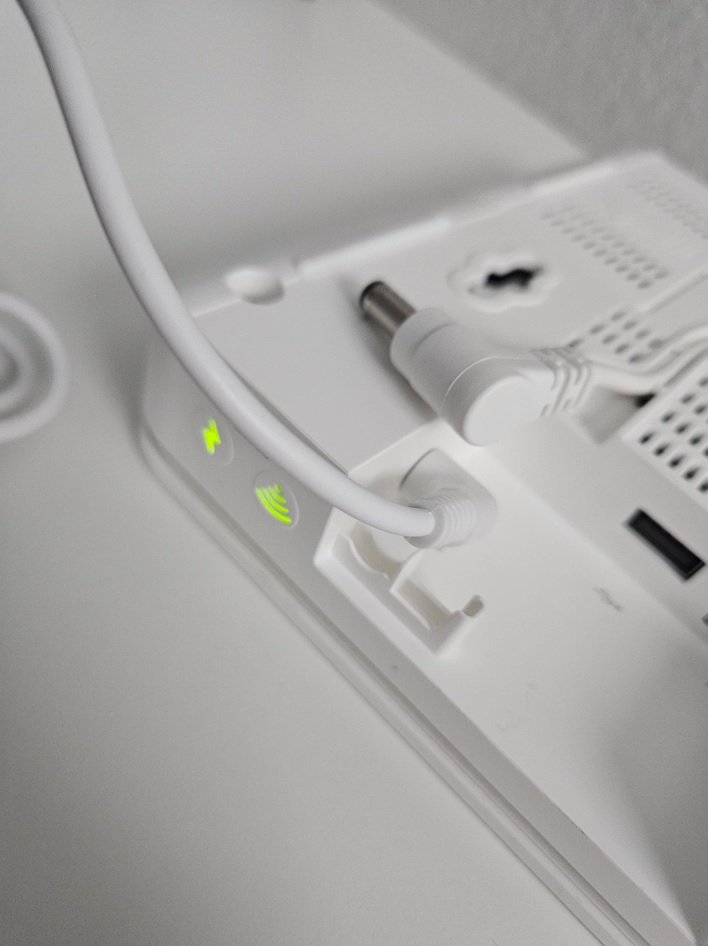
- The Cable: This USB to DC 5.5mm x 2.1mm (or 2.5mm) barrel connector cable. It’s a 3.3-foot white PVC cable rated for 5V at 2A max—plenty for the Ring base. Plug one end into any 5V USB power source and the other straight into your Ring Alarm’s power port. It’s cheap, plug-and-play, and fits perfectly where the stock wall adapter goes. (Pro tip: Grab a couple spares—they’re tough but you never want a single point of failure.)
- The Power Bank: Talentcell Rechargeable 12V 6000mAh / 5V 12000mAh Lithium-Ion Battery Pack. This bad boy packs 66.6Wh total capacity (equivalent to 12,000mAh at 5V output). It’s got both 5V USB ports and a 12V DC output, plus a built-in LED charge indicator. Compact, portable, and built for gadgets like CCTV cameras, LED strips, or—yes—your Ring Alarm. Comes with its own 12.6V charger for fast recharges.
Total cost for the combo? Under $60. That’s less than one night of takeout and way more useful than another box of ammo you don’t train with.
Technical Breakdown: How Long Does It Actually Run?
Let’s get into the numbers so you know exactly what you’re getting (no fluff, just real-world math):
- Ring Alarm Power Draw: The base station runs on 5V and can pull up to 2.5A (12.5W) at peak (Wi-Fi active, sensors firing, etc.). In standby with a typical sensor load? Real tests from Ring communities put average consumption around 4-8W depending on your setup. We’ll use 6W as a solid middle-ground estimate for a loaded system.
- Talentcell Capacity: 66.6Wh total. Factor in ~85% efficiency (heat loss, conversion), and you’ve got about 56Wh usable at the 5V USB port.
- Runtime Math:
- At 6W draw: ~9-10 hours of solid runtime per bank.
- At lighter 4W draw (sensors only, low activity): 12-14+ hours.
- At peak 10-12W (heavy alerts/motion): 4-6 hours.
That’s on top of the Ring’s internal battery. Plug this in before the outage hits, and you’re looking at 12-30+ hours total before swapping.
Pro Move: Run Two Banks + Solar Rotation Buy two Talentcells. While one powers your Ring base, the second charges off a small solar panel (20-50W foldable USB panel works great—plenty for daytime top-offs). Swap every 8-12 hours. In Florida sun? You’ll recharge a bank in 4-6 hours with a basic panel. Now your alarm never sleeps. Sensors stay hot, motion zones active, and you get push alerts even if cell towers are strained (pair it with your Meshtastic nodes or GMRS for redundant comms if the app goes flaky).
Why This Is a Game-Changer for Real Preparedness
This isn’t some gimmick for suburban convenience—it’s layered security for when things get real. Keep your Ring system fully functional during a hurricane bug-in, and you’ve got eyes on every door, window, and yard approach without running a loud generator that broadcasts your position for miles. Motion triggers still send alerts. Sirens still blare. Cameras (if you’ve got the Pro or integrated ones) keep recording to the cloud or local storage as long as you’ve got that solar trickle.
Tie it into the bigger picture:
- Bug-in advantage: Your home defense plan stays live. No more guessing who’s at the gate.
- OPSEC and quiet competence: Silent, no-fuel operation beats diesel generators every time.
- Stack it with your other gear: Run it alongside your ham radio setup, Meshtastic mesh network for neighborhood alerts, or even a small solar array powering your whole comms shack.
- Scalability: Same bank powers other 5V/12V essentials—LED lights, USB fans, or even a backup router.
In a Level 2-3 emergency (localized storm or regional blackout), this keeps your family’s perimeter secure while others are blind. In full SHTF? It buys you time to decide bug-in vs. bug-out with real intel from your sensors.
Quick Setup and Tips from the Field
- Test it now—plug everything in during a controlled outage drill (Chapter 10 style).
- Mount the bank somewhere ventilated and dry (garage shelf or safe room).
- Keep the cable and extra bank in your hurricane shutter toolkit or go-bag.
- Monitor charge levels with the LED indicators—swap before it hits 20%.
- For extra runtime, dial down Ring settings (lower motion sensitivity) during long outages.
This setup is pure quiet competence: affordable, low-profile, and turns a common vulnerability into a rock-solid advantage. Grab the cable and Talentcell today, test it this weekend, and sleep better knowing your security doesn’t die with the power grid.
Stay vigilant, stay powered, and keep that perimeter locked down. What other grid-down gadget hacks are you running for security? Drop ’em in the comments—we’re all building better preps together.
(Links are Amazon affiliate—helps support the blog at no extra cost to you.)